環境資訊中心外電;姜唯 翻譯;林大利 審校;稿源:Carbon Brief
化石燃料企業針對氣候法案展開的反向遊說,儘管奏效卻造成龐大社會成本,相關量化數據也首度揭櫫於世。根據一項發表於的新研究,美國十年前的反氣候法案政治遊說活動阻礙了氣候監管法案的進展,導致600億美元(約新台幣1.8兆元)的社會成本。
環境經濟學家凱孟(Kyle Meng)博士和羅德(Ashwin Rode)博士首次量化出這種反氣候遊說活動對社會造成的損失。
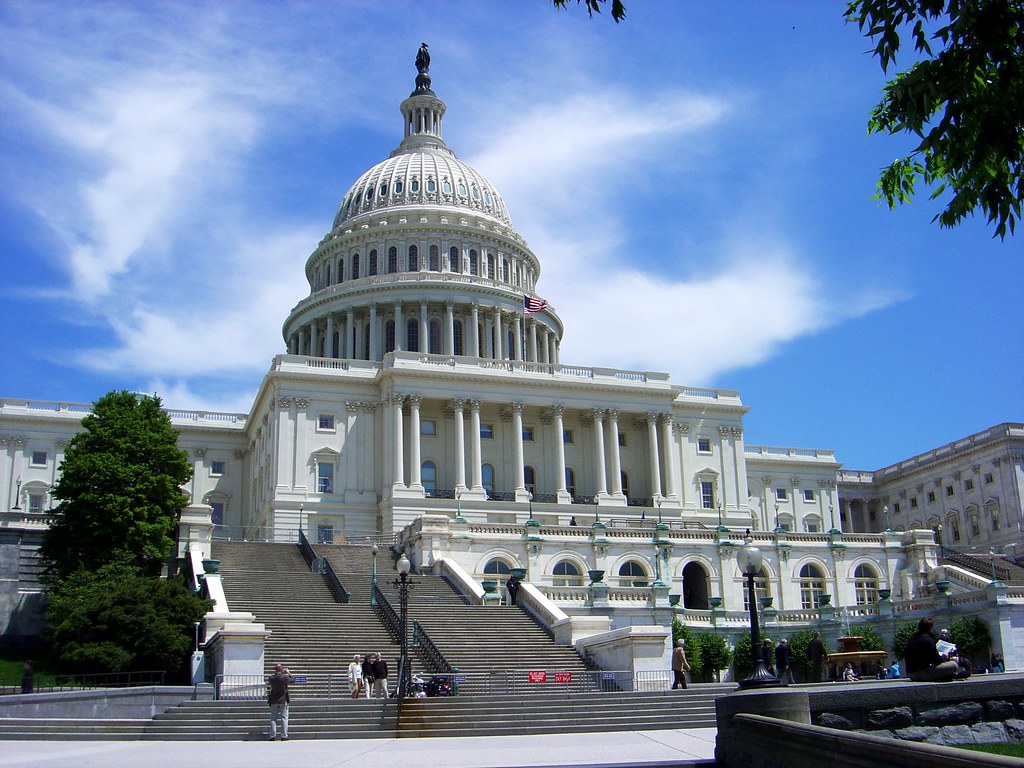
美國國會大廈。圖片來源:Kevin McCoy(CC BY-SA 2.0)
兩人表示,他們的研究凸顯出企業強而有力地箝制政府因應氣候變遷的努力,儘管有壓倒性的證據指出,政府推動氣候行動的社會效益高於經濟成本——包括農業生產量和GDP減少。
更重要的是,他們發現各種化石燃料和運輸公司等扮演法案受害者角色者的遊說能力,比法案受益者更高。
作者說,根據研究結果,遊說是造成全球氣候法規貧弱的部分原因。然而,作者認為還是很有機會制定有效的新氣候政策:「氣候政策來自政治進程。我們的研究已經證明,政治進程可能會破壞通過氣候政策的機會。但我們也證明,精心設計的氣候政策壓制反對派的力量更為強大。」
瓦克斯曼-馬基法案
作者說,像,是「最有名、最有希望的美國氣候法案」,2009年夏天眾議院通過,但是在2010年被參議院擋下。
然而,這個法案是美國最接近全面性氣候政策的一刻。
該法案正式名稱為「2009年美國乾淨能源和安全法」(the American Clean Energy and Security Act 2009)。該法案提議,根據2005年的水準,2020年美國的排放量應減少17%,2050年減少80%,以起草的兩位民主黨代表威克斯曼(Henry Waxman)和馬基(Edward Markey)為名。
「瓦克斯曼-馬基法案」的一個關鍵要素是限額與交易計畫,能限制全國生產的溫室氣體量,同時為全國工業界創造固定數量的交易排放許可。其他措施包括再生能源標準、能源效率和電網現代化。
媒體報導,「瓦克斯曼-馬基法案」進入立法程序的時候,美國政府明顯受到反對方遊說的影響。
作者利用完整的美國國會遊說記錄來全面了解當時的情況。
根據他們的論文,該法案佔當時所有具備記錄遊說支出的14%左右,比2000年-2016年間的任何其他政策支出更多。然而,能從法案受益的公司,像是奇異和太平洋瓦斯電氣,遊說支出也最高。
找出「贏家」和「輸家」
為了理解不同遊說者的動機,研究人員首先必須弄清楚,「瓦克斯曼-馬基法案」如果成功立法會發生什麼事。他們從法案相關的預測市場中取得價格資訊,與參與遊說的公司的股價結合,如此一來便能估計如果立法成功,上市公司的價值將如何變化,找出法案通過後的「贏家」和「輸家」。
結果發現,「瓦克斯曼-馬基法案」遊說支出和法案通過後預計股票價值之間在統計上有顯著的關係。反遊說,也就是「輸家」的遊說活動,是最有效的,影響力大於「贏家」。
根據這個結論,研究人員估計,所有遊說支出總和使得法案通過的可能性降低了13%。
之前的研究曾算出「瓦克斯曼-馬基法案」若沒有通過,其預期可減少的溫室氣體排放量所造成的社會成本高達4670億美元(以2018年美元計)。
「大量研究顯示,氣候變遷在各種情境下都會造成龐大社會成本,包括農業產量下降、衝突加劇、死亡率和發病率上升,勞動力供應減少,國內生產總值下降。瓦克斯曼-馬基法案沒有通過將在各領域產生負面影響,因為溫室氣體排放降不下來,也難以避免氣候損害的發生。」
由於作者算出遊說活動使法案不通過的機率增加13%,他們將總社會成本的13%歸咎於遊說活動,得出遊說活動的社會成本為600億美元。
有鑑於目前美國的氣候政策狀況,凱孟和羅德最後建議可以利用這樣的研究結果建立增加成功機會的新戰略——用這600億美元提供企業在限額與交易制度下的免費信貸,尤其是那些「輸家」企業,如此可以為企業帶來更大的收益或減少損失,有效地減少反遊說活動,使法案更有可能通過。
Lobbying against key US climate regulation ‘cost society $60bn’, study finds
Political lobbying in the US that helped block the progress of proposed climate regulation a decade ago led to a social cost of $60bn, according to a new study.
Environmental economists Dr Kyle Meng and Dr Ashwin Rode have produced what they believe is the first attempt to quantify the toll such anti-climate lobbying efforts take on society.
The pair say their work reveals the power firms can have in curtailing government action on climate change, in the face of “overwhelming evidence” that its social benefitsoutweigh the costs, which range from reduced farming yields to lower GDP.
Crucially, they found that the various fossil-fuel and transport companies expecting to emerge as “losers” after the bill were more effective lobbyists than those expecting gains.
The authors say their results, published in Nature Climate Change, support the conclusion that lobbying is partly responsible for the scarcity of climate regulations being enacted around the world.
However, they tell Carbon Brief that there is still hope for those seeking to develop effective new climate policies:
“Our bottom line is: climate policy emerges from a political process. We’ve shown that this political process can undermine the chances of passing climate policy. But we’ve also shown that careful design of climate policy can help make it more politically robust to opposition.”
Waxman-Markey
The Waxman-Markey bill, described by the study’s authors as “the most prominent and promising US climate regulation so far”, did not make it past the Senate in 2010, meaning it never passed into law.
However, having passed the House of Representatives in summer 2009, it remains the closest the nation has ever come to implementing wide-ranging climate legislation.
Formally known as the American Clean Energy and Security Act 2009, the bill proposed a 17% cut in US emissions by 2020 – and then 80% by 2050 – based on 2005 levels. It was named after the two Democrat representatives who wrote it, Henry Waxman and Edward Markey.
A key element of Waxman-Markey was its cap-and-trade scheme, which would have limited the amount of greenhouse gases produced nationally while creating a fixed number of tradable emission permits for industry nationwide. Other measures included a renewable energy standard and legislation for energy efficiency and grid modernisation.
Media reports around the time Waxman-Markey was making its way through the US government made it clear that lobbyists were thought to be hindering its progress.
For Waxman–Markey, they made use of the “comprehensive US congressional lobbying record” to piece together a full picture of the situation at the time.
According to their paper, the bill accounted for around 14% of all recorded lobbying expenditures at the time – more spending on lobbying than for any other policy between 2000 and 2016.
However, some of the highest spenders listed by Meng and Rode in their new paper were those who stood to gain from the bill, such as General Electric and the Pacific Gas and Electric Company.
To understand different lobbyists’ motivations, the researchers first had to work out how Waxman-Markey would have affected companies had it passed into law.
They took data on prices from a prediction market tied to the bill while it was being considered by government and combined it with stock prices for firms involved in lobbying.
Their “innovation”, the pair explain, was to combine this information with the stock market prices of publicly listed firms that lobbied on the bill. They were then able to estimate how the values of publicly listed firms were expected to change if the policy had passed.
One benefit of this approach was that it allowed them to establish, in what they describe as a “hands-off”, objective manner, who the “winners” and “losers” were in the face of climate regulations. This allowed the researchers to bypass both their own preconceptions, as well as any statements made by the firms themselves which, as the pair point out, may not be reliable.
The team found a statistically significant relationship between how much a firm spent on Waxman-Markey lobbying and how much the bill was expected to change its stock value.
This model revealed that oppositional lobbying – that is to say activities by companies that stood to lose out – was the most effective. This implies the input of “loser” firms, which include Boeing, Marathon Oil, Walmart and Ford, had more influence that “winners”, despite spending comparable sums on lobbying. From this conclusion, the researchers estimated that the sum of all lobbying decreased the probability of the bill being enacted by 13%.
Social cost
To pin down the financial impact of lobbying, the researchers built on previous researchthat placed a $467bn (in 2018 US dollars) price tag on the global social cost of the failed Waxman-Markey bill. This was based on forecasts of greenhouse gas emissions that would have been avoided had it come into force.
The cost of these emissions for the world as a whole are well established, as they explain to Carbon Brief:
“A large body of research has demonstrated the costs of unmitigated climate change in myriad contexts, including decreased agricultural yields, increased conflict, increased mortality and morbidity, decreased labor supply, and lower gross domestic product. Failure to enact Waxman-Markey is expected to have had adverse consequence in all these areas by allowing for higher greenhouse gas emissions and thus higher climate damages.”
Since they found that lobbying increased the likelihood of the bill not passing by 13%, they assigned this share of the total cost to lobbying efforts. This gave them their final figure of $60bn.
Given the current state of climate policy in the US, Meng and Rode conclude by suggesting how this knowledge could be used to build a new strategy that is more likely to be successful.
They took their model and used it to gauge the impact of providing more free credits under the cap-and-trade system to companies – and particularly those that lobbied against the new bill. As this would lead to greater gains or reduced losses, they found it could effectively reduce the amount of anti-bill lobbying and make it more likely to succeed.
While they note such actions could prove unpopular and have unintended political consequences, they suggest this information could nevertheless be incorporated into future policy-making. They tell Carbon Brief:
“Our new point is that if the very likelihood of having climate policy enacted in the first place may be jeopardised by political influences (via lobbying), why not try to use this revenue to neutralise some of the political opposition in a targeted way.”
※ 全文及圖片詳見:
參考資料
- Meng, K.C. and Rode, A. (2019) The social cost of lobbying over climate policy, Nature Climate Change,
作者
如果有一件事是重要的,如果能為孩子實現一個願望,那就是人類與大自然和諧共存。
於特有生物研究保育中心服務,小鳥和棲地是主要的研究對象。是龜毛的讀者,認為龜毛是探索世界的美德。
延伸閱讀
本站聲明:網站內容來源於裝修網https://e-info.org.tw/,如有侵權,請聯繫我們【在地推薦】
※炎熱夏天烈陽曝曬不用怕,達人教你如何挑選隔熱紙小撇步?
※汽車隔熱紙保養知識大公開,如何延長隔熱紙使用年限?
※住家、大樓隔熱紙施工分享,好評推薦
※何謂防爆隔熱紙?
※降溫有感,如何挑選玻璃隔熱紙發揮最大效用?